Australia’s most shocking wrongful prosecutions
27 August 2026
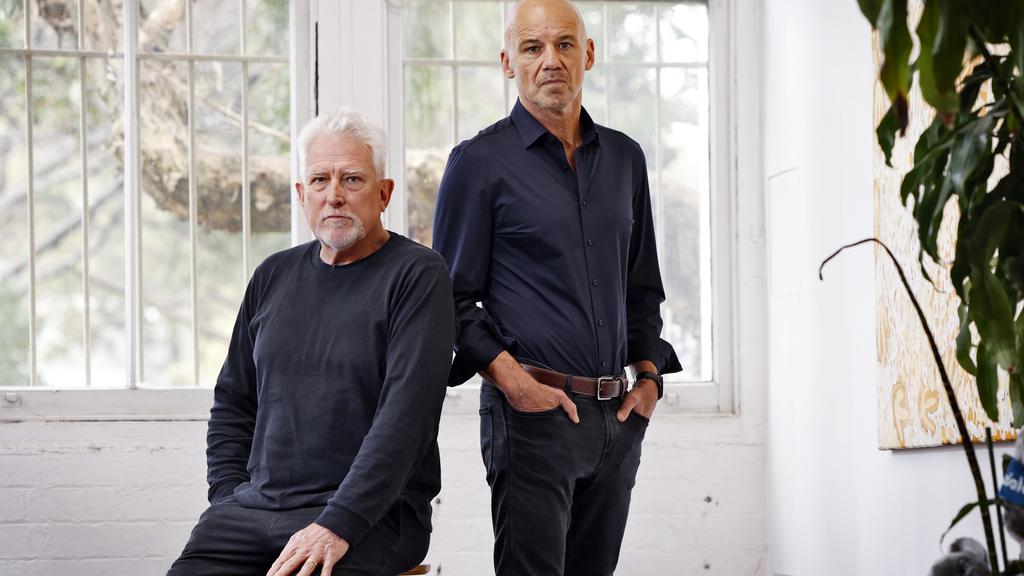
One was a cop branded a serial rapist. Another was accused of a nightclub drugging. But these men share one thing in common: they were all innocent.
From the outside, Australia’s justice system creates a sense of order and safety that many who have not had cause to look too closely assume is – while not perfect – pretty good.
And while it may be true that our legal and court proceedings lack much of the wildcard energy of the American system or other less developed nations, anyone who has been up close and personal with the Australian judicial system knows that it is far from foolproof.
“Nobody wants to acknowledge a possible mistake,” explains Neil Mercer, the Walkley Award–winning investigative crime journalist and author with more than 50 years of experience across Australian print and broadcast media.
Appearing this week on former homicide detective Gary Jubelin’s I Catch Killers podcast, he reveals a deeply-ingrained unwillingness in this country to look at the potential for wrongful conviction.
“There’s a reluctance around the country to say, ‘there’s something seriously wrong here’”, he says.
Mercer, who throughout his multi-decade career has built a reputation for uncovering corruption, misconduct and systemic failings, is on the publicity trail for his latest book, Falsely Convicted: True Stories of Injustice in Australia. The book explores how easy it is – whether through forensic missteps, misinterpretation of evidence, discrimination and bias or simply police inertia – for grave miscarriages of justice to occur in the lucky country.
Sitting down with Jubelin, Mercer explores just a few of the cases that have stayed with him through his research.
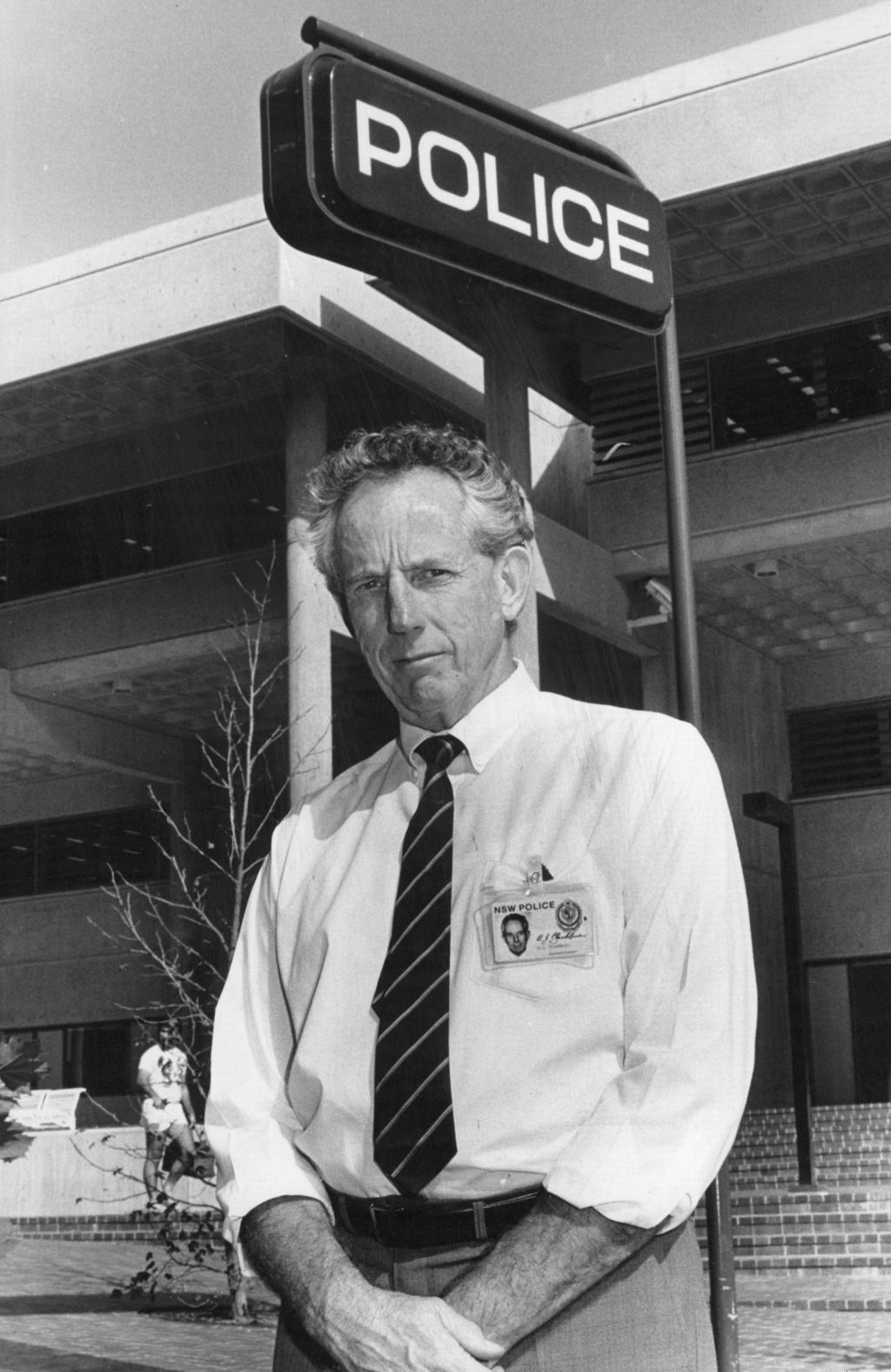
Harry Blackburn was completely exonerated and never went to trial or jail.
Harry Blackburn: Trial by media
When former NSW superintendent Harry Blackburn was arrested and branded a serial rapist in 1989, an entire city was in a state of outrage. A spate of attacks across Sydney’s south had been attributed to the ex-police officer, based on what turned out to be questionable identifying testimony.
“One day, the media’s called up to police headquarters,” Mercer recalls. “This is an off the record briefing. This is a big deal. A big story is brewing, and we’re then briefed in great detail about how the New South Wales Police have been reinvestigating a series of historical rapes.”
The reporters were told the assaults had been committed by the same man.
“We were stunned to hear that the person who was alleged to have done this is Harry Blackburn, the former superintendent,” Mercer explains.
“It’s even more stunning because at this stage, Harry’s not been arrested. He’s actually at work, oblivious to what’s about to happen. The media’s given all the details, so the radio, TV, newspapers are all set to go when Harry gets arrested about an hour or so later.”
While reporting for Four Corners in 1989, Mercer initially assumed Harry Blackburn was guilty. That is, until a source phoned him to reveal Blackburn had the wrong blood group to be the attacker.
Later, when Mercer interviewed one of the sexual assault victims off-camera, she insisted her attacker was much younger than Blackburn, and revealed that when she told detectives this they deliberately excluded her statement from the brief.
Harry Blackburn was completely exonerated and never went to trial or jail.
Originally published by news.com.au on 27 August 2026