Carl Beech scandal prompts call to give victim status to falsely accused
George Odling · 11 October 2026
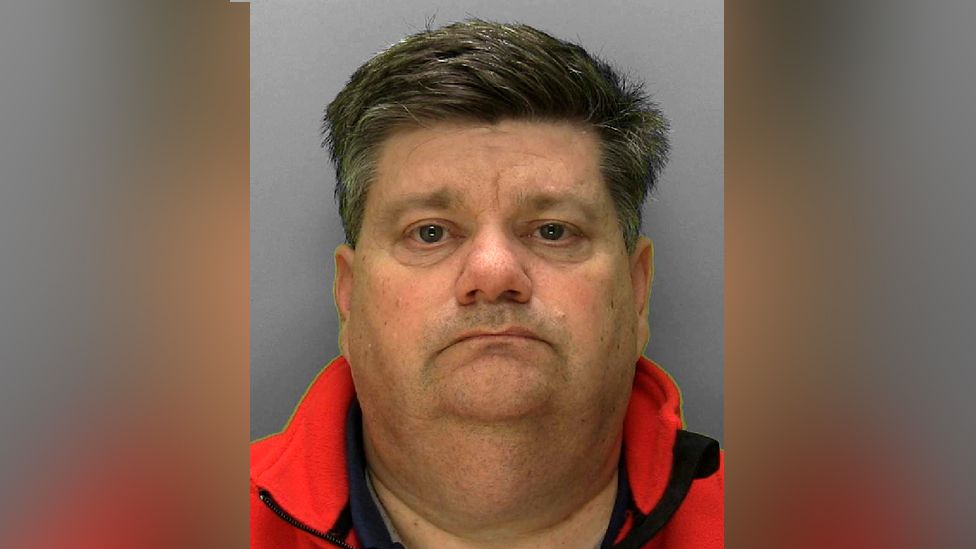
Individuals falsely accused by Carl Beech have called for the subjects of malicious allegations to be given victim status after he was released from prison without warning.
Beech, now 58, who made lurid allegations of sexual abuse and murders committed by VIPs, was quietly freed in February under the early release scheme. He served less than seven years of an 18-year sentence for fraud, perverting the course of justice and child sex offences.
The victims of his false claims of a VIP paedophile ring were not informed of his release, the conditions of his licence or his whereabouts.
Beech’s lies traduced the reputations of figures including Field Marshal Lord Bramall, the D-Day hero and former head of the armed forces, the former Conservative MP Harvey Proctor and Leon Brittan, who died of cancer in 2015 without being told he had been fully exonerated.
Proctor and relatives of the others falsely accused, including Brittan’s widow, Lady Brittan, are campaigning for a change in the law that would give victim status to those affected by perverting the course of justice offences.
The parties were not eligible for the Probation Service’s victim contact scheme because Beech’s “victim” was considered to be the justice system, or the Crown.
The group discussed the issue with David Lammy when he was justice secretary, but they have received no response from Alex Norris since he replaced Lammy in July.
Between 2014 and 2016 Operation Midland, which cost Scotland Yard about £2.5m, investigated Beech’s allegations of sexual abuse and murder involving MPs, generals and senior figures in the intelligence services. Beech was later exposed as a fraud who was a paedophile himself. Senior police officers had publicly described his allegations as “credible and true” before detectives had even properly tested them.
Proctor, whose home was unlawfully searched by 20 police officers, said it was only right that someone falsely accused of a crime was recognised as a victim.
“If somebody deliberately invents grotesque allegations against you, destroys your reputation and livelihood, and is then convicted of perverting the course of justice, surely you are their victim,” he said. “Apparently not. A man can deliberately fabricate allegations against you, those lies can devastate your life, he can be convicted and imprisoned for doing it. And when he is released, the system can still fail to treat you as his victim.”
Proctor, who lost his home and his job during the investigation, added: “This is not about assuming every allegation is false, nor is it about diminishing genuine victims of abuse. Genuine allegations must be taken seriously and investigated properly, but taking an allegation seriously is not the same as assuming it is true. An allegation is not evidence; suspicion is not guilt.
“If somebody deliberately weaponises the justice system to destroy an innocent person’s life, and is convicted for doing so, why should the person they destroyed not be recognised as their victim?”
Originally published by The Times on 11 October 2026