Did the courts get a high-profile Boston murder case wrong?
David Scharfenberg · 26 October 2026
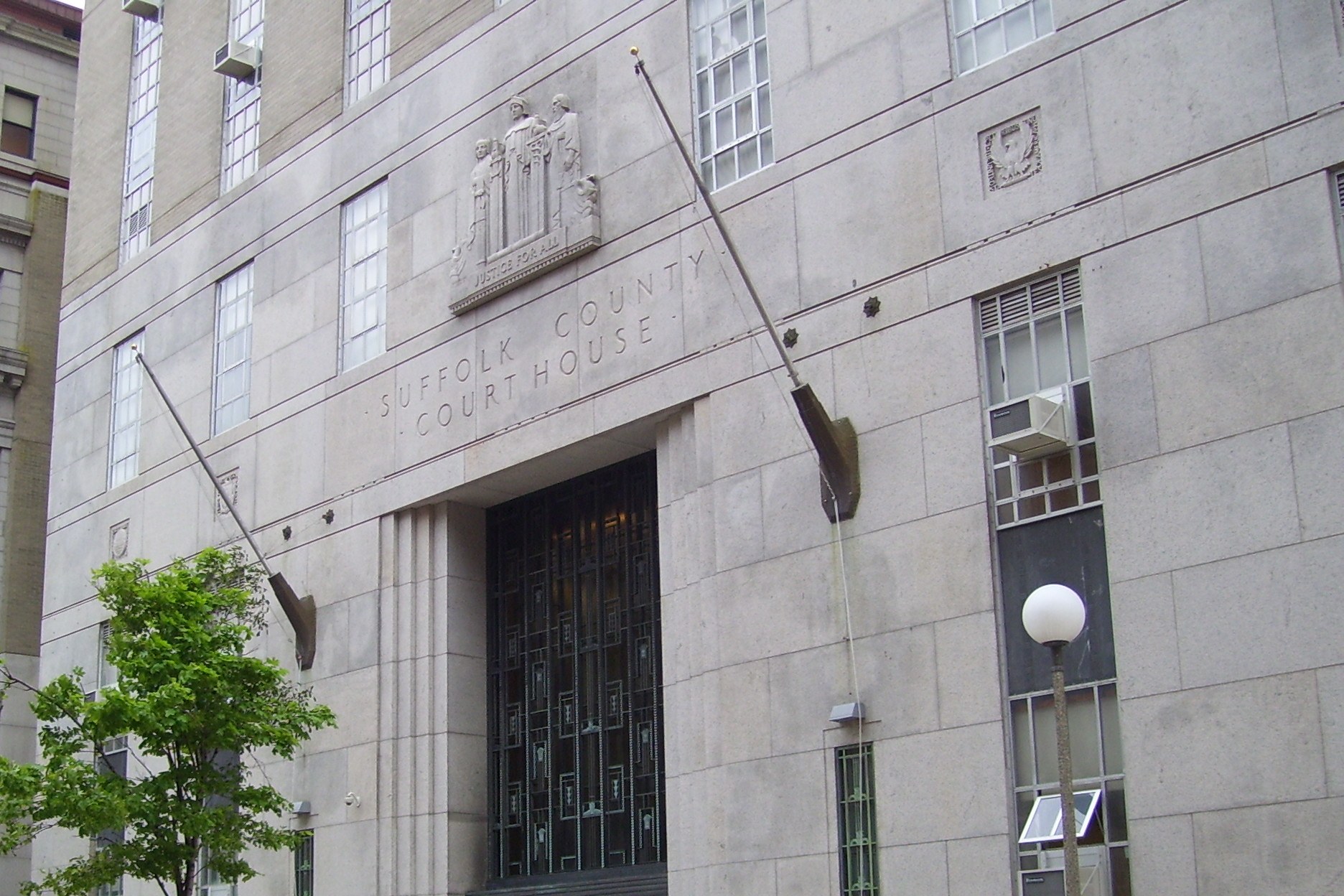
For some time now, I’ve been fascinated by the case of Nicole Chuminski.
Maybe you recognize the name.
In 2010, a jury found that she’d set fire to the row house that her lover Anna Reisopoulos rented on West Sixth Street in South Boston.
Reisopoulos’s children weren’t supposed to be home that night. But firefighters found two of them — Acia Johnson, 14, and Sophia Johnson, 3 — in an upstairs closet, dead. Acia, it appeared, had been cradling her little sister against the heat and the smoke.
The region was heartbroken by the children’s deaths. But it also took a prurient interest in the stormy relationship between the girls’ mother and her female partner.
The night of the blaze, Reisopoulos had stolen a wallet at a Chuminski family wedding — causing a scene before slinking back home to South Boston.
And an irate Chuminski, police alleged, had retaliated by setting Reisopoulos’s house on fire hours later. “LOVER’S REVENGE,” blared the cover of the Boston Herald, next to Chuminski’s mug shot. “Mother’s lover arrested in fatal fire,” a Globe headline declared, a little less colorfully.
There may have been something unseemly about the media’s treatment of the women’s relationship. And something unsettling about all the time prosecutors spent on Chuminski’s sex life at trial.
But the problems with the case, I’d come to learn, ran much deeper than that.
It’s unclear if those problems will be enough to overturn Chuminski’s conviction and set her free. The New England Innocence Project, which has taken on Chuminski’s case, recently filed a motion for a new trial, but it could take months, even years, for the courts to rule.
This much, though, I can say with confidence: The fire at 154 West Sixth St. looks very different now than it did all those years ago.
This story draws on thousands of pages of transcripts, court filings, and lab reports.
Originally published by The Boston Globe on 26 October 2026