Documentary tells story of exonerated death row inmate
Laura Vallejo · 9 October 2026
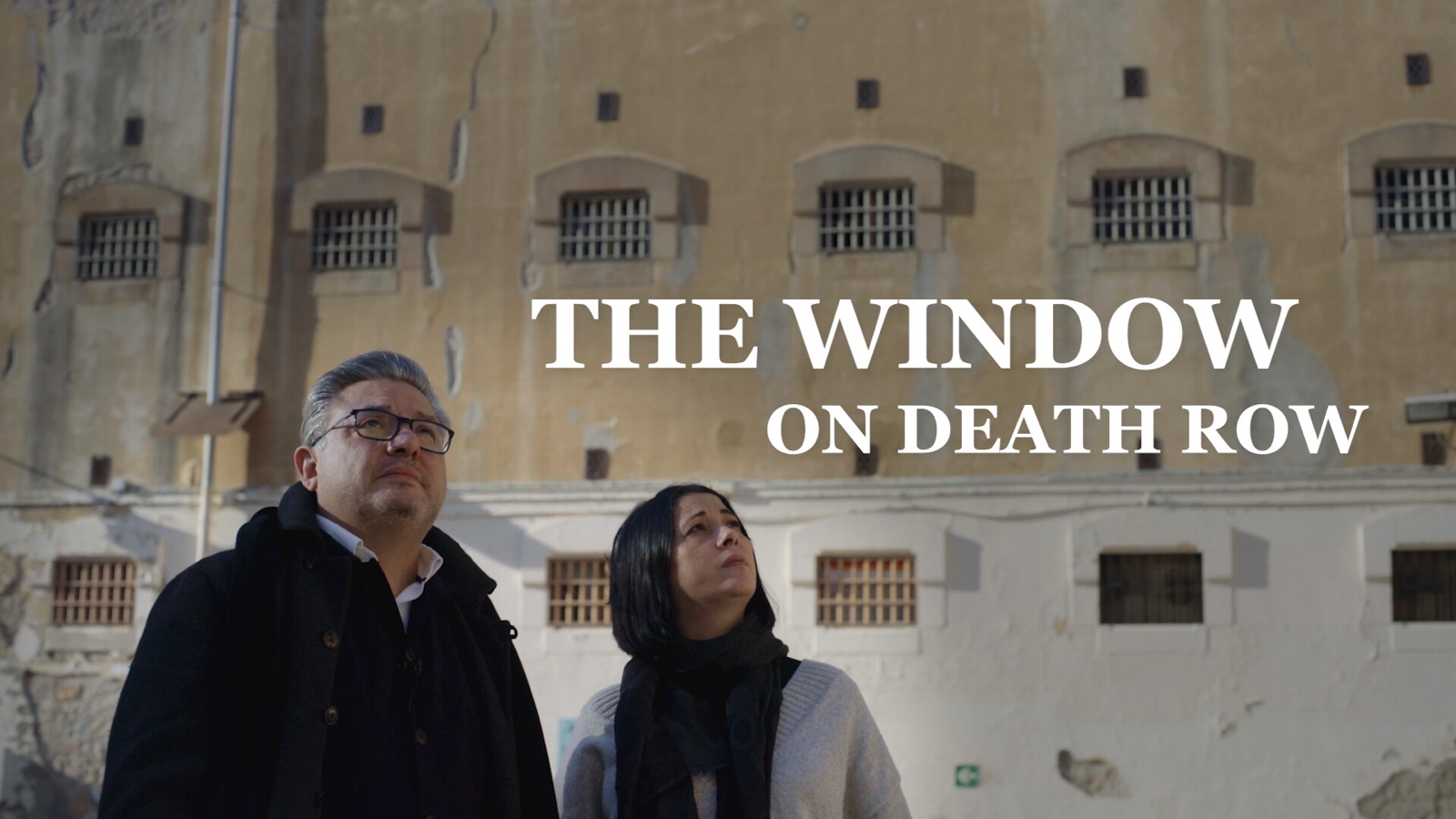
SALT LAKE CITY — A documentary about the first Spaniard exonerated from death row in the United States will be screened Nov. 11 at the Utah Film Center.
“The Window on Death Row” tells the story of Joaquin Jose Martinez, who was convicted in 1997 after his former wife alleged that he was involved in the murders of 26-year-old Douglas Lawson and 26-year-old Sherry McCoy-Ward in Tampa, Fla.
After spending four years on death row for a crime he did not commit, Martinez was exonerated in 2001. More than $1.5 million was spent to clear his name.
The 38-minute documentary follows Martinez, who was 23 when he was convicted, as he reflects on his wrongful incarceration and the second chance he received after his release.
“Before his wrongful incarceration, Joaquin believed in the death penalty. His mind changed as he saw the impact on families and grew to know his fellow inmates as human beings,” said Michelle Beasley, a Blessed Sacrament parishioner who advocates for the abolition of the death penalty.
Martinez’s perspective also was shaped by the death of his own father, who was killed by a reckless driver.
“He realized that no amount of punishment of the driver would take away his loss,” Beasley said, quoting the documentary. “Nothing can bring him back. … Nothing could close this.”
After his release, Martinez began advocating against the death penalty, saying that the issue goes beyond punishment. “It’s more than that, you know? It’s the lack of humanity, lack of compassion, the lack of love, the lack of forgiveness,” he says in the documentary.
For Beasley, Martinez’s firsthand experience offers an opportunity to understand the human impact of death row.
“There have been 1,698 people executed in the U.S. since 1977,” she said. “The U.S. has been executing people since 1608, but there was a halt on executions in 1972 by the U.S. Supreme Court. Can we say definitively all those executed were guilty?”
The documentary recounts what Martinez did after his release, and “introduces us to an innocent man on death row who was exonerated,” Beasley said. “He shares his feelings of abandonment and loss of hope. Then, he was free. The first thing he did was buy a meal for all those on death row to have a ‘final meal’ with them.”
Beasley said the documentary can help viewers consider the emotional and spiritual consequences experienced by people awaiting execution.
“When a person is on death row, they feel hatred and resentment. If they have asked God for forgiveness and have repented, they still wait for a day of execution,” she said. “They are left alone to think of the torture of their final moments and imagine how their family will miss them.”
The Catholic Church’s teaching on the death penalty was revised on Aug. 2, 2018, when the Vatican announced a revision to the Catechism of the Catholic Church stating that the death penalty is “inadmissible” because it is “an attack on the inviolability and dignity of the person.”
“As workers in the vineyard, we should shout this from the rooftops and visit those in prison,” Beasley said, emphasizing the Catholic belief in the dignity of every human person. “We are all sinners, and it is up to Jesus Christ to decide our fate. If we execute those who sin, aren’t we robbing them from their chance to reconcile with God? We are not judge and jury.”
Beasley encouraged Catholics and others interested in the issue to attend the screening and hear Martinez’s story.
“The Window on Death Row” documentary will be Wednesday, Nov. 11, at 7 p.m. at the Utah Film Center Screening Room, 375 West 400 North, Salt Lake City (west entrance). Free admission; tickets may be reserved online.
The screening will be followed by a question-and-answer session via Zoom with Martinez. Randy Gardner, the brother of Ronnie Lee Gardner, who was executed by firing squad in Utah in 2010, also will attend.
Those interested in learning more about efforts to abolish the death penalty in Utah can contact Utahns Against the Death Penalty, https://uadp.org/.
Originally published by Intermountain Catholic on 9 October 2026