A Washington Post investigation prompts changes at surveillance company Flock
Angela Fu and Amaris Castillo · 14 August 2026
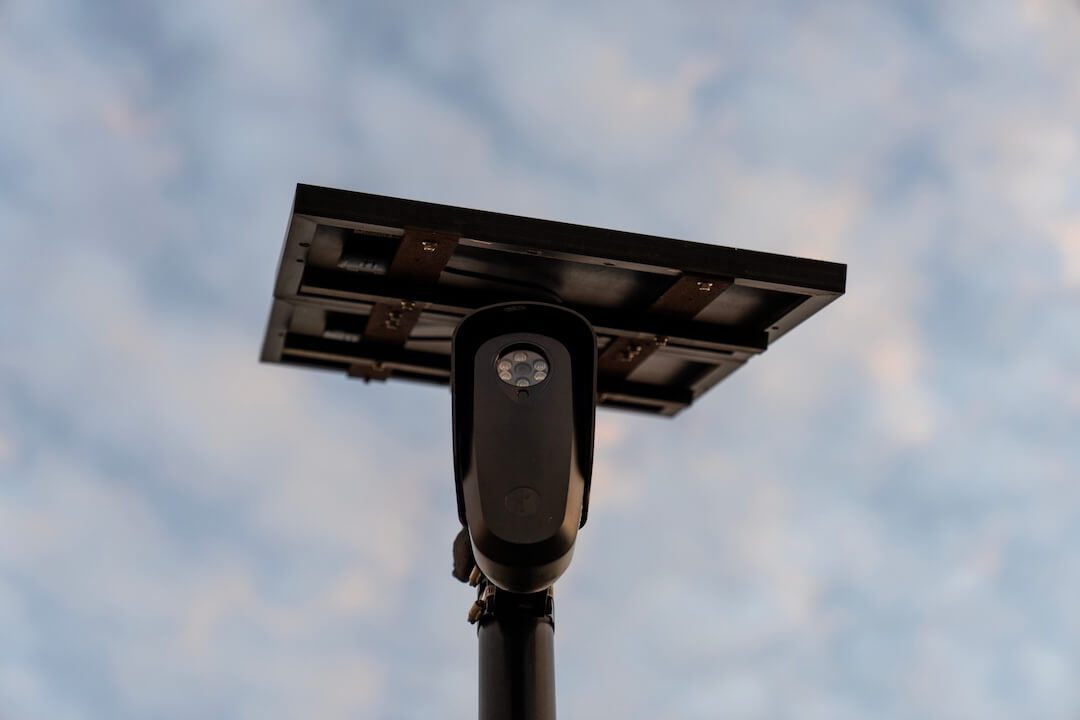
A Flock Safety license plate reader is seen along a public road, Thursday, Oct. 16, 2025, in Houston. (AP Photo/David Goldman, File)
Flock, the company that operates an extensive network of license plate readers, announced Thursday that it will implement new safety measures to deter police abuse of its surveillance cameras, The Washington Post reported.
Flock’s cameras automatically record license plate numbers in a nationwide database that law enforcement and other Flock customers can then search. The database allows police to track specific vehicles or identify others bearing certain characteristics. Agencies can also share that data with one another.
The Post noted that the announcement comes one week after the paper published an investigation finding dozens of examples of police officers using Flock’s cameras to stalk women without their knowledge or consent. In one case, a police chief searched his ex-girlfriend’s license plate more than 500 times and repeatedly sent her messages indicating he knew her location.
By Jan. 1, law enforcement using Flock’s database will be required to label every search they conduct with a criminal case number. Flock will also automatically identify “abnormal activity” among searches — such as repeated searches for a particular license plate number — and will change its default setting so that license plate data is only stored for seven days. (Police departments can choose to lengthen that period to a year with approval from an elected official or governing body.)
Police departments that share their license plate data with others will be able to set restrictions on what kinds of investigations that data can be used for. The Post offered an example: “A city could, for example, allow its camera data to be searched for violent crimes but not for immigration enforcement.”
Beyond issues of police misconduct, Flock has attracted controversy in recent months for its data’s role in aiding immigration operations and for instances in which its camera system erroneously identified vehicles as being stolen, leading to police confronting innocent people. Critics say Flock’s cameras are an example of oversurveillance, and some protesters have vandalized and destroyed the cameras.
Originally published by Poynter on 14 August 2026