Grandmother falsely accused of bank theft after alleged AI facial recognition match sues for $10M
Meredith Deliso · 17 September 2026
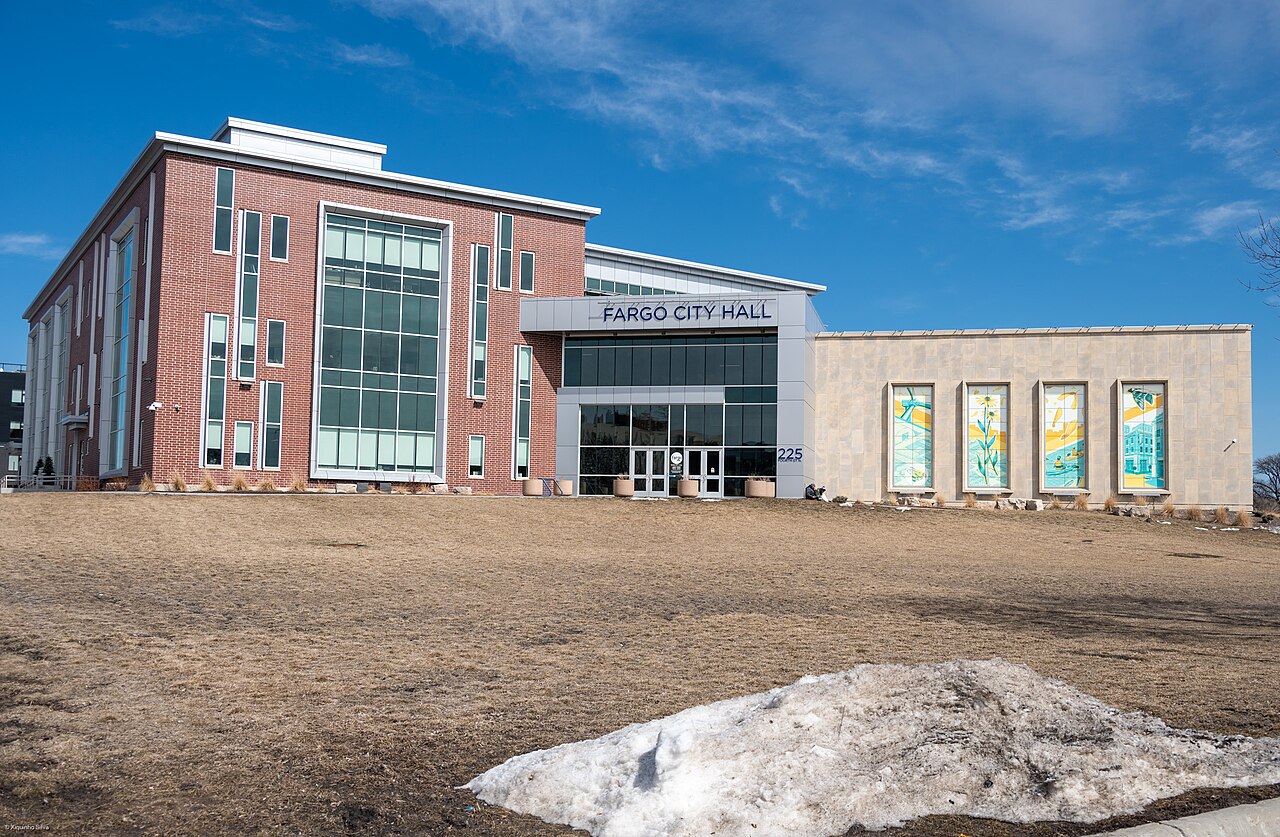
A Tennessee grandmother who was falsely accused of bank theft crimes in North Dakota and detained for six months is suing for $10 million, alleging in a federal lawsuit that police improperly relied on AI facial recognition technology to arrest her for crimes she did not commit.
Angela Lipps, a 50-year-old grandmother of five, was arrested in July 2025 while she was babysitting her neighbor’s children, according to the complaint. She was detained for several months at a detention center in Tennessee before being brought to North Dakota to face multiple bank theft charges, according to the complaint.
Her charges were ultimately dropped, and she was released on Christmas Eve after Lipps and her attorney provided bank records showing she was in Tennessee at the time of the alleged crimes, according to the complaint.
The city of Fargo and Lucas Heck, a Fargo police detective identified in the complaint as having requested the arrest warrant for Lipps, are named as the defendants in the complaint, which said it seeks to “repair what has been broken” over her false arrest and “seeks accountability” from the Fargo Police Department.
“They knew that AI facial recognition technology should not be used as the sole basis to extradite and charge a person. Yet they ignored those issues and gave no care to the harm it would do to innocent people like Lipps,” the complaint alleged. “As AI facial recognition technology becomes more accessible and widespread, Lipps hopes that her case will cause officers to use appropriate care and consider the harm their actions can have on those who are wrongly accused.”
Heck isn’t accused in the complaint of personally using the AI facial recognition technology.
According to the complaint, AI facial recognition software used by a West Fargo Police Department investigator identified Lipps’ social media photo as a potential lead in a bank theft investigation.
The source of the facial recognition was a fake ID used by a female suspect who was captured on surveillance footage in incidents involving multiple Fargo-area banks, according to the complaint. Lipps did not look like the suspect captured on surveillance video, according to the complaint, which noted their difference in build, facial features and tattoos. Prior to arrest, Lipps had also never been to North Dakota, according to the complaint.
The complaint claims that after Lipps was identified as a lead, Heck did not conduct a thorough investigation or find sufficient probable cause before requesting an arrest warrant. It alleges that Lipps was falsely arrested and imprisoned and maliciously prosecuted, and that the Fargo Police Department (FPD) did not adequately train officers on the use of facial recognition technology.
“FPD was aware that the lack of supervision of an officer using facial recognition in an investigation could result in the wrongful detention and prosecution of a subject. Despite knowledge of this risk, FPD refused to supervise its officers’ use of facial recognition technology in a criminal investigation,” the complaint alleged.
Originally published by ABC News on 17 September 2026