A call I should never have taken on LBC exposed a corrupt policeman and overturned 15 convictions, writes Daniel Barnett
Daniel Barnett · 13 October 2026
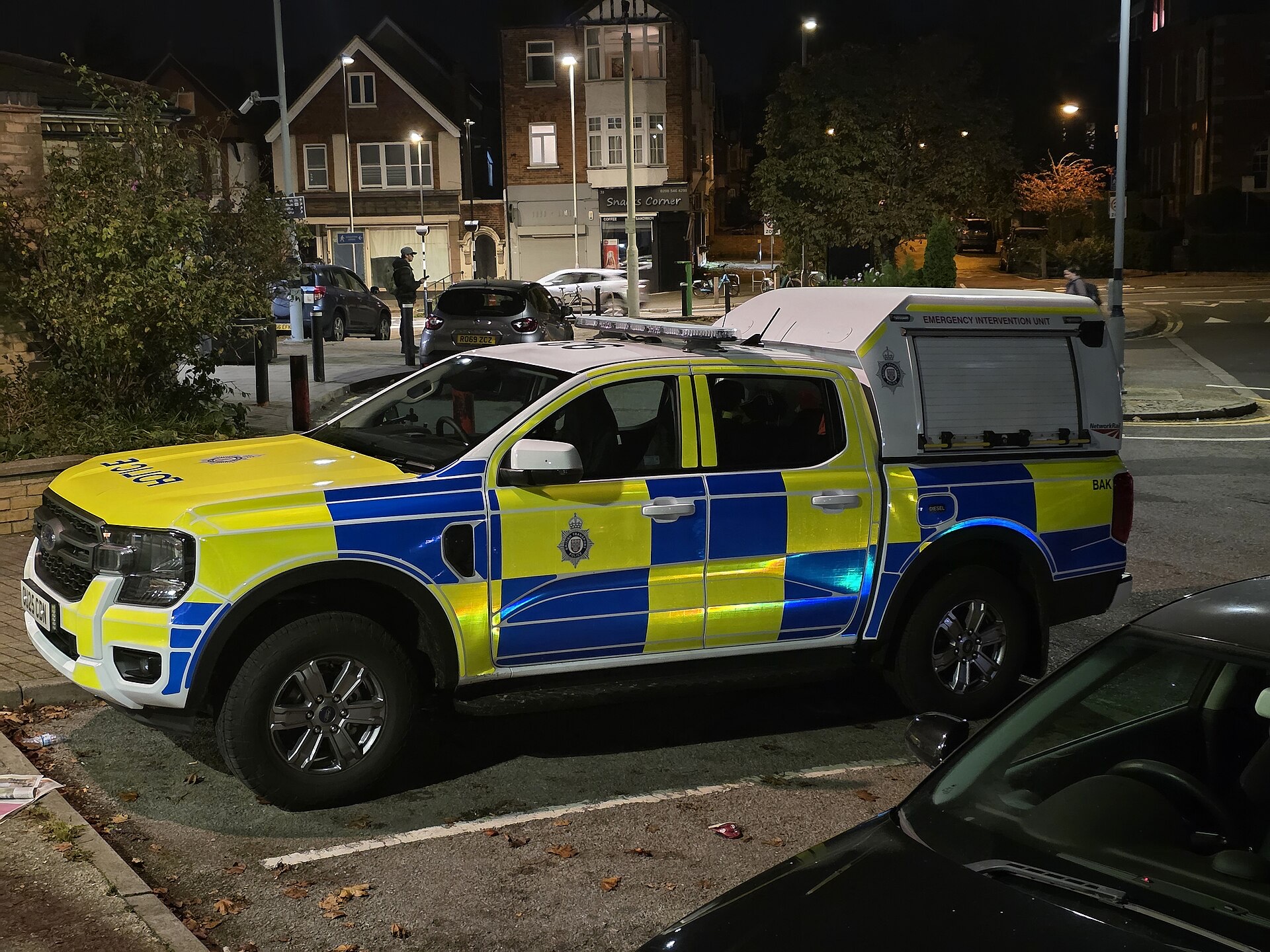
A piece of advice given during an LBC phone-in helped set in motion a chain of events that has seen 15 men’s convictions overturned over the actions of a corrupt police detective, with further cases still under investigation
The LBC call that came in one night in 2013 shouldn’t have reached me at all.
The LBC Legal Hour producers have a standing instruction to screen out criminal cases. I’m an employment barrister, not a criminal one, and there is always a risk of prejudicing live proceedings. So a man ringing to say he’d been convicted of stealing mailbags from a goods yard in Clapham in 1976, and that he hadn’t done it, would normally never have made it to air. For whatever reason, Steve Simmons got through.
I’ll be honest: I didn’t believe him at first. Then he kept talking, and I found myself asking why a man who’d been twenty when they sent him to Borstal would still be insisting on his innocence in his late fifties. He was articulate, and he was angry the way people are when they’ve carried something for a long time.
By the end of the call I believed him. The trouble was that I had nothing useful to offer. His conviction was nearly forty years old. At the time, he’d been advised not to appeal. So I asked him the only question I could think of. Who was the officer who arrested you? He told me. I suggested he go home and put the officer’s name into Google, and I was a bit surprised he hadn’t already. Then the next caller came on, and I forgot about it.
Steve Simmons has since said he thought googling the arresting officer was a silly idea. But he did it, and what came up was Detective Sergeant Derek Ridgewell of the British Transport Police. Two years after Steve’s conviction, Ridgewell had been arrested and jailed for stealing goods in transit. The same kind of offence. In 1980 he got seven years for stealing more than £1m of goods, and it later emerged he had framed young black men for his own crimes. The Oval Four. The Stockwell Six. Names that now sit in the law reports as shorthand for what happens when a bent officer’s word is treated as gospel.
Steve applied to the Criminal Cases Review Commission in August 2013. The CCRC referred his case in August 2017, and the Court of Appeal quashed the conviction in January 2018, forty-three years after his arrest. Shortly afterwards he came into the LBC studio to tell Clive Bull and me the story on air, and I met him for the first time. He was polite, a little distracted, focused on the microphone. He thanked me when the segment ended. I was due on air myself and we barely spoke.
This week the story moved again. Christopher Poulter and Kevin Biggs, convicted alongside Steve on the same evidence, had their convictions quashed on Tuesday. They are the fourteenth and fifteenth people cleared over Ridgewell’s misconduct. Biggs died in 2004. He never knew. Poulter had never appealed because he’d been told he had no grounds to. Think about that for a moment: three young men, one corrupt officer, and it took separate proceedings spread across eight years to put it right. Lord Justice Edis said their appeals should have been heard together. He’s right. But nobody could find Poulter in 2017, and Biggs was already dead.
I want to be fair to the people doing the work now. British Transport Police are running a live investigation into Ridgewell and are actively looking for anyone he may have wronged. That is how the Biggs application reached the CCRC. It is unusual for a police force to go hunting for the victims of its own former officer, half a century on, and they deserve credit for it. The CCRC has now referred fifteen Ridgewell cases, and the Court of Appeal has quashed every one that has come before it. The system, once switched on, has done its job.
The trouble is the switching on. Nothing in the process found Steve Simmons. No review, no audit, no letter from anyone. What found him was a radio phone-in, a producer who put the call through by mistake, and a guess from a lawyer who knew nothing about criminal law. If he’d been listening to a different station that night, or if his call had been screened out as it should have been, he’d have died with a conviction he didn’t earn, as Kevin Biggs did.
That’s the part I can’t get comfortable with. A justice system should not depend on who happens to ring a talk show. Yet here we are: that’s exactly what happened.
It’s also a reminder of something I try to keep in mind every week on the Legal Hour. LBC’s audience is enormous, and the people who ring in are real people with real problems. They act on what I say, and the consequences run in both directions. Give a caller bad advice and I can set them back years. Give them a good idea and it can change their life. I didn’t do anything clever for Steve. I asked him to look something up on Google. He looked. And a lot of other people, none of whom I’ll ever meet, are free of something they should never have been convicted of, because he did.
Daniel Barnett presents LBC’s Legal Hour every Saturday from 9pm-10pm.
Originally published by LBC on 13 October 2026