Police hiring standards matter. But they alone cannot stop abuse
Jordan DeVylder · 19 September 2026
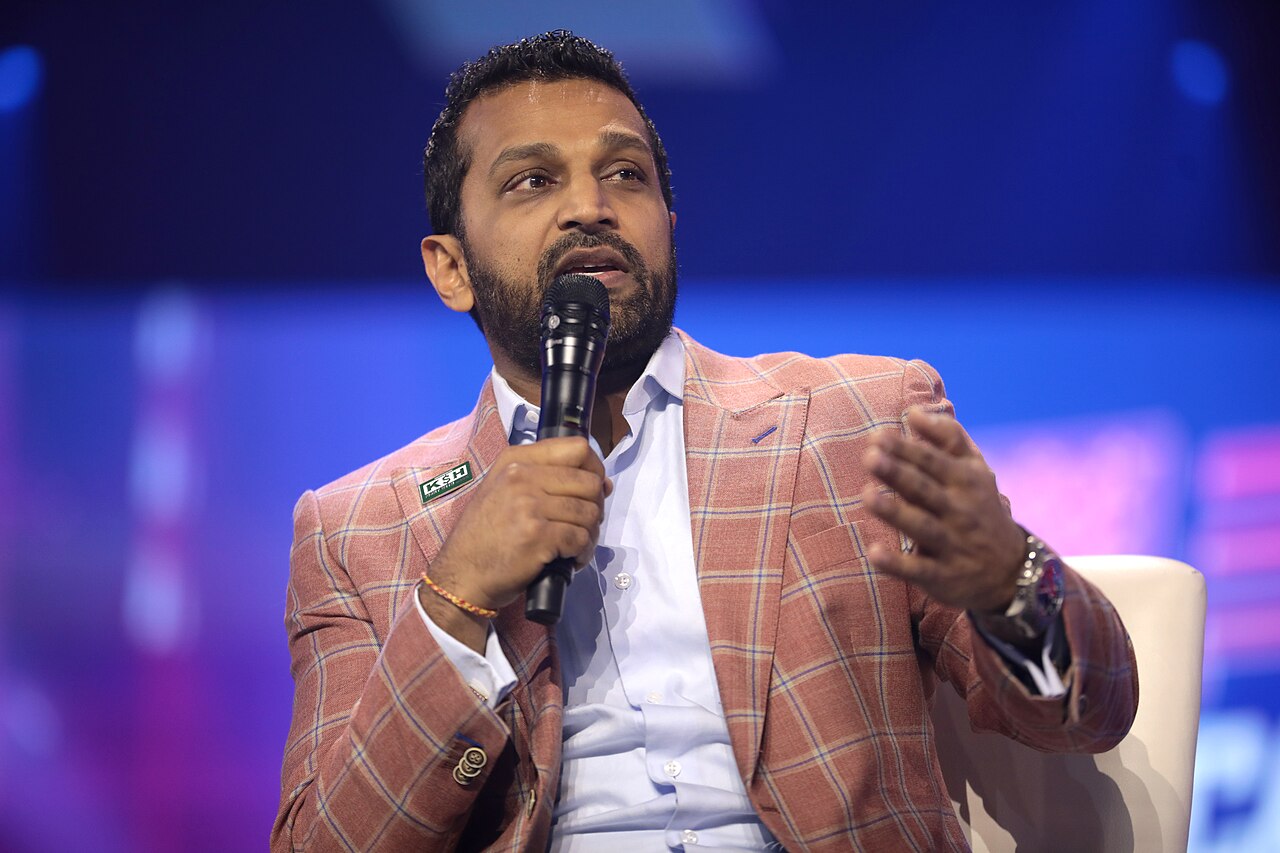
During a congressional hearing earlier this week, FBI Director Kash Patel defended changes to the bureau’s hiring standards. His testimony came just two weeks after reports surfaced of loosened hiring standards at another law enforcement agency in the US: Immigration and Customs Enforcement (ICE).
As a result, concerns have emerged about a retreat from standards intended to protect the public by offering a baseline of conduct for law enforcement officers. The American public is right to worry. Loose hiring standards can put reckless individuals in positions of power.
But ensuring commitment to higher standards in law enforcement recruitment alone cannot solve the police violence problem in the US.
Individual misconduct
Research on police misconduct, which has considerably expanded in the wake of Black Lives Matter and related movements, offers useful parameters to guide how we approach the question of hiring standards.
Studies have shown that most cases of use of force are concentrated among a relatively small proportion of officers, at least in the limited departments that track such incidents. That means there are officers who are repeat offenders and have the tendency to engage in such misconduct.
So can risk individuals be identified before they are hired?
One study of more than 12,000 police applicants found that specific responses on pre-employment psychological evaluations were associated with subsequent excessive force complaints and complaints alleging racial misconduct.
However, another study of 642 first-year police officers found that markers for anti-social and borderline behaviour could predict the likelihood of engaging only in certain types of abuse – namely sexual misconduct.
There is also research that suggests abusive policing and officers’ psychological wellbeing may be intertwined, and that the harms of misconduct may extend beyond targeted civilians, possibly even to the offending officers themselves.
In a sample of 137 active-duty US police officers, approximately 11 percent self-reported engaging in abusive policing. Abusive policing was associated with greater PTSD symptoms even after accounting for adverse childhood experiences and workplace trauma.
The implication of all this is that hiring standards based on psychological profiling should neither be dismissed as irrelevant nor treated as a fully reliable way to eliminate all future risk. Standards should be evaluated according to what they actually predict, what they exclude, and what risks arise when they are removed.
Structural violence
But improper selection of law enforcement recruits is only part of the problem.
The US has an exceptionally high rate of police violence compared with other wealthy democracies. For example, the rate of police killings is 33.5 per 10 million in the US, compared with 9.8 in Canada, 1.3 in Germany, and 0.5 in England and Wales.
That cannot plausibly be explained simply by whom we happen to hire. American law enforcement gives officers extraordinary authority to detain, search, use force and, in some circumstances, take a life.
Those powers operate within institutions that have repeatedly struggled with racial bias, unnecessary antagonism of marginalised communities, and abuses of authority. There is also inadequate accountability for law enforcement misconduct, including through qualified immunity and other legal protections that can make it difficult to hold officers personally liable for certain constitutional violations.
Read the rest of this article at Al Jazeera →
The views expressed in this article are the author’s own and do not necessarily reflect Al Jazeera’s editorial stance.
Originally published by Al Jazeera on 19 September 2026