The Overlooked Role Barack Obama Played in False Allegations Against Men
Blueblur · 13 October 2026
False allegations have been a problem for a long time. What many people may not be aware of is the crucial role Barack Obama’s White House played in making them far more damaging against men.
Let’s break down how it all unfolded:
The 2011 Dear Colleague Letter:
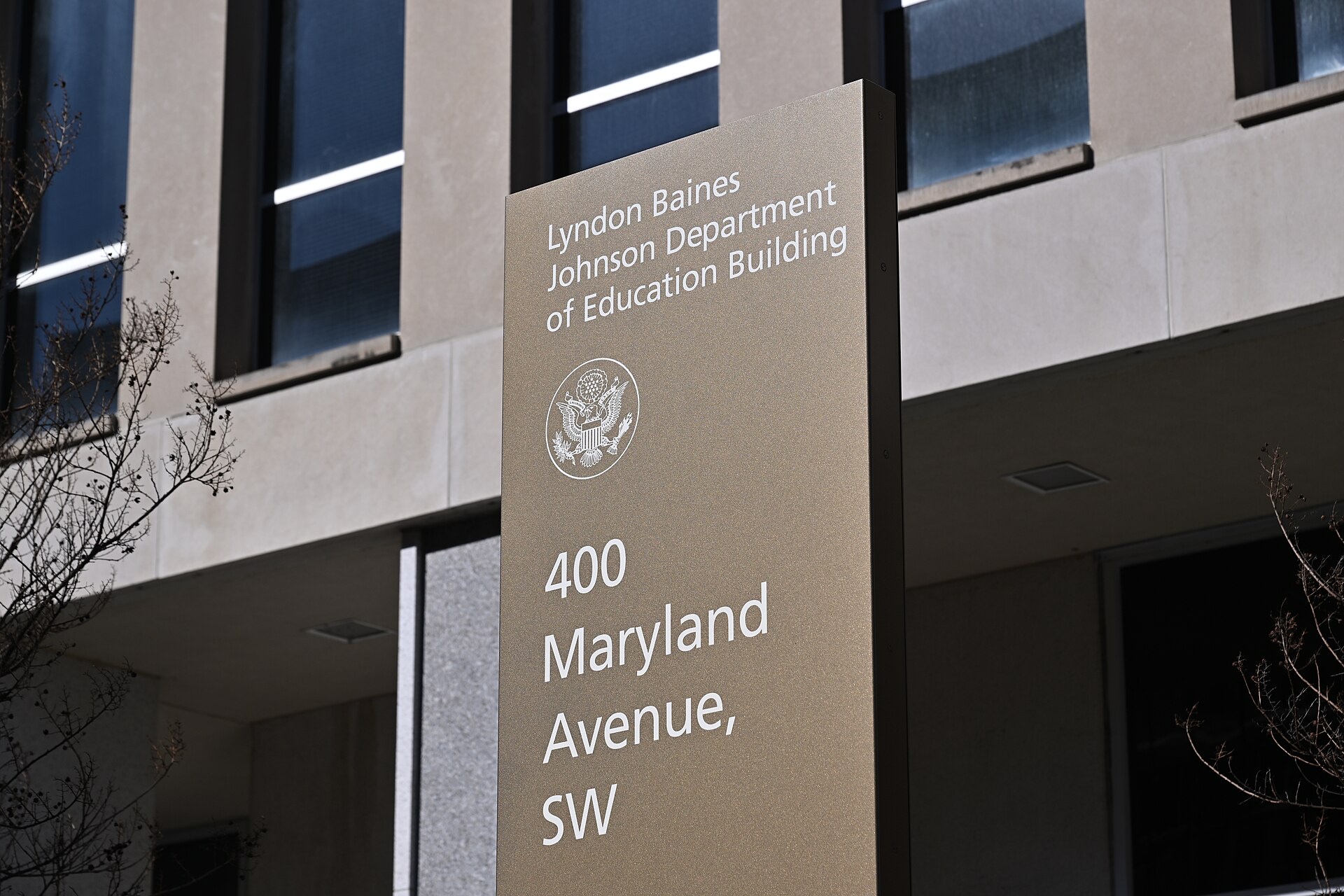
On April 4, 2011, the Obama Department of Education issued the infamous Dear Colleague letter.
It told every college and university that took federal money to use the lowest possible standard of proof in sexual-assault cases, effectively presuming the accused as guilty by default.
Schools had to switch to the preponderance-of-the-evidence standard. They were pressured to favor accusers and treat any skepticism about a claim as a “myth.”
This single letter created the template for thousands of unfair campus investigations.
The 2014 White House Report:
Three years later, the Obama White House doubled down.
Their 2014 report hyped inflated rape statistics and buried the data on false allegations. It treated skepticism as the real problem instead of a necessary safeguard.
SAVE Services called it out right away. Their January 2014 press release (the one you can still read today right here: https://www.saveservices.org/2014/01/pr-white-house-report-downplays-false-allegations-of-rape-artificially-inflates-the-numbers-save-asserts/) showed how the report used broad definitions to claim one in five women had been raped while quietly admitting many cases were “attempted” or alcohol-facilitated incidents that did not match everyday understandings of rape. The category of “attempted” rapes is particularly susceptible to the problem of false allegations, SAVE believes.
The real incidence was closer to 5% once the numbers were adjusted.
The White House barely mentioned false claims and simply repeated the activist line that only 2-10% are false.
Studies making similar claims regarding false allegations are unreliable due to being incredibly biased. They only count explicitly proven false cases as false, implying that the remaining 90% or above are all true. They do not apply the same standard to the allegedly true cases.
The Real-World Impact on Men:
This was not abstract policy; it became the law of the land on campuses.
Men faced accusations, weak investigations, and life-altering punishments with almost no chance to defend themselves. Educations were ruined, scholarships lost, and reputations destroyed. Many of those accusations were later proven false or wildly exaggerated.
One notable case was that of Francisco Sousa. In December 2014, the university named him in a mass email before he even had the chance to defend himself. Charges were dropped by January 2015, but the university still did not lift his suspension. The damage was already done.
A settlement was reached between him and the university by May 2017. A short summary of his case can be read here:
The human cost was real, as you can see, yet the official narrative insisted false allegations barely existed.
Trump Ended the Mandate; 2020 Locked in the Choice:
On September 22, 2017, the Trump administration under Betsy DeVos rescinded the Obama-era 2011 Dear Colleague letter and related guidance that had required the preponderance of the evidence standard. The interim guidance that replaced it allowed schools to use either preponderance or the higher clear-and-convincing standard. From that date forward, no school could claim a federal mandate forced it to use the lower standard.
On May 19, 2020, the administration published binding Title IX regulations that took effect on August 14, 2020. Those rules restored several basic procedural protections. They included a presumption of non-responsibility: accused students were presumed not responsible until the school made a determination through its process. At the college level, the regulations required schools to hold a live hearing. During the hearing, each party’s advisor (not the party themselves) had the right to ask questions of the other party and of witnesses. If a party did not have an advisor, the school had to provide one. The person who investigated the case could not also be the person who decided it, so the single-investigator model was prohibited. Schools were also allowed to use either the preponderance of the evidence standard or the higher clear-and-convincing standard, provided they applied the same standard to all formal Title IX sexual-harassment cases and did not use a lighter standard for Title IX than they used for other student misconduct carrying the same maximum sanction.
It was NOT a return to an “innocent until proven guilty” criminal standard, and it did not require the higher clear-and-convincing burden. Most schools continued to use preponderance.
The September 22, 2017 rescission ended the mandate, and the 2020 regulations locked in the choice plus stronger procedural safeguards, but they did not impose the higher evidentiary standard.
Biden’s Attempted Reversal:
Biden’s administration aimed to reverse key parts of the 2020 framework.
It finalized new Title IX regulations in April 2024, which took effect on August 1, 2024. Those rules removed the requirement for live hearings and advisor-conducted cross-examination at the college level, allowed greater flexibility for single-investigator models in some processes, and generally required the preponderance of the evidence standard. They retained a presumption that the respondent is not responsible until a determination is made, but overall, they pushed the system closer to the pre-2020 approach on process and the burden of proof.
A federal court struck the entire 2024 rule down nationwide on January 9, 2025, in Tennessee v. Cardona. The U.S. District Court for the Eastern District of Kentucky held that the rule exceeded the Department’s authority under Title IX, violated the First Amendment and the Spending Clause, and was arbitrary and capricious. Because those defects permeated the regulation, the court vacated it in full rather than striking individual provisions. The decision rendered the 2024 rule unenforceable everywhere and restored the 2020 regulations as the operative framework.
The 2020 rules have been back in effect since then.
Why Obama’s Role Still Matters:
The pattern is not complicated. One side treats inflated statistics as sacred and due process as optional.
Obama’s White House set the template; it downplayed the very real risk of false allegations against men while pushing policies that made those false claims far more destructive.
What Obama did was make it official policy. It was no longer a case of just a malicious prosecutor or a desperate prosecutor trying to secure a quick win. It became policy to actually go the guilty-unless-lucky-enough-to-be-proven-innocent route.
William Collins (real name, Rick Bradford) has been showing the same pattern in the UK. The data does not lie. False allegations are not to be dismissed, and due process is NOT optional.
Men deserve the right to defend themselves properly when accused. They should not be presumed guilty by default.
Originally published by Blueblur (@Blueblur_23) on X on 13 October 2026