The White House Farm massacre phone calls: could a single disputed digit set Jeremy Bamber free?
Simon Hattenstone · 30 October 2026
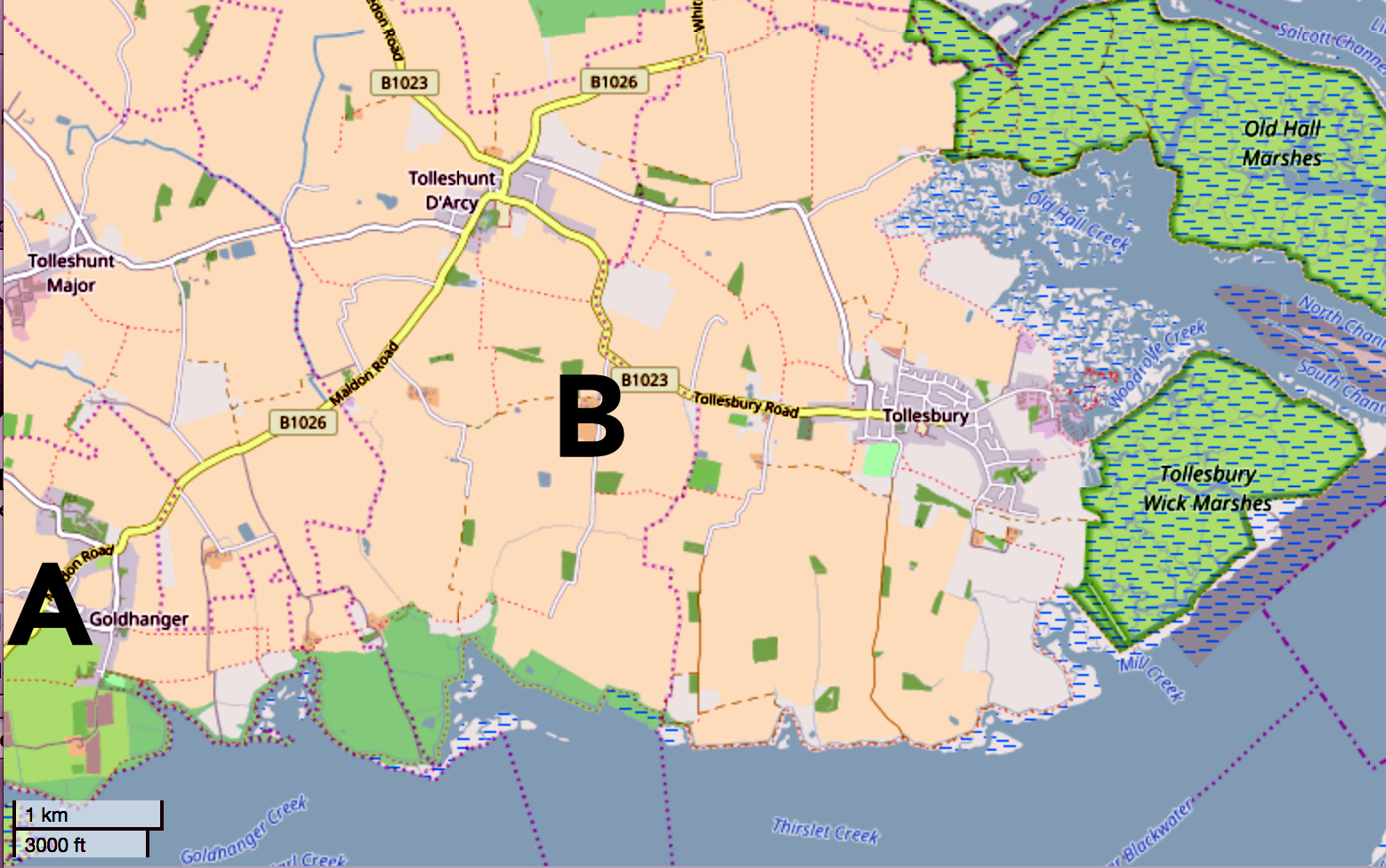
On 7 August 1985, five people were found dead at White House Farm in Essex, England: 28-year-old Sheila Caffell (known to her family as Bambi); her six-year-old twin sons, Daniel and Nicholas; and her 61-year-old adoptive parents, June and Nevill Bamber. All five had been shot with a rifle. Caffell’s 24-year-old brother, Jeremy Bamber, who was also adopted, had called to alert Essex police to a disturbance inside the farmhouse – he said his father had called to tell him – and had been outside with the police for four hours before the bodies were discovered. Caffell, who had recently been hospitalised with schizoaffective disorder and is said to have feared her children were going to be taken into foster care, was found with the rifle lying on her chest, pointing towards her neck. There were two gunshot wounds to her neck and chin and a bloodied Bible by her side.
The case was initially thought to be open and shut, a tragic murder-suicide committed by Caffell. But a month later, Bamber was arrested after relatives went to the police to voice their suspicions about him; his former girlfriend Julie Mugford then told police he had made a confession to her. The relatives went on to inherit from Nevill and June Bamber’s considerable estate after Bamber’s convictions. It was later discovered that Mugford had agreed to sell the story of their relationship to the News of the World for £25,000 if Bamber was convicted. Essex police and crown prosecutors had also agreed to drop charges against her for burglary, chequebook fraud and selling cannabis, because “prosecuting her could jeopardise her availability or credibility as a key witness” against Bamber.
Bamber was found guilty of the murders and has now been in prison for 41 years, but questions have always been asked about the safety of his conviction. These have grown recently. The proper body to examine these is the Criminal Cases Review Commission (CCRC), but it has already taken the CCRC four years to consider less than half the evidence that Bamber has submitted to them. In July 2025, it concluded that the first four of 10 points did not meet the high evidentiary threshold needed to refer the case back to the court of appeal.
In the third piece in our series considering discrete pieces of evidence, we analyse discrepancies in timelines recorded by Essex police that could prove Bamber’s innocence.
“Imagine how stupid I’d have to be to put myself in the frame for murdering my family by telling the police I’d received a phone call when I hadn’t,” Jeremy Bamber says. “Like most people, I assumed the police would have been able to trace the call. If it turned out Dad hadn’t called me, I’d have basically been handing myself in.”
Bamber is writing to me from Wakefield prison. For the past 41 years, he has been locked up for the murder of five members of his family, while always protesting his innocence.
In his letter, he is referring to a phone call he made to Essex police from his cottage in the middle of the night on 7 August 1985. Bamber, now 65, told the police his father, Nevill, had just called him to say Bamber’s sister, Sheila Caffell, had “gone crazy” at the family home, White House Farm, and got hold of one of Nevill’s guns. Bamber said the line had then gone dead. His call to Essex police has never been disputed. What has been disputed is his claim that Nevill called him.
At Bamber’s trial, the prosecution claimed he had made up the call to provide himself with a false alibi. They argued that he had killed the five members of his family at White House Farm between 12am and 3am, before cycling back to his cottage and calling the police himself.
This is a story about telephone calls, technology and timings. It is also a story about a single disputed digit in police logs, which could prove Bamber’s innocence. A digit that, at the time of the trial in 1986, neither the jury nor Bamber’s defence team could possibly have understood was so significant. It was only 25 years later, when 347,000 documents relating to the case were released, that its importance became clear.
The digit relates to the time Bamber called the police. At trial, there was confusion about whether it was 3.26am or 3.36am. The presiding judge, Sir Maurice Drake, told the jury to accept a timing of 3.26am. But a series of police logs and statements that were not disclosed at trial suggest Bamber made the call at 3.36am.
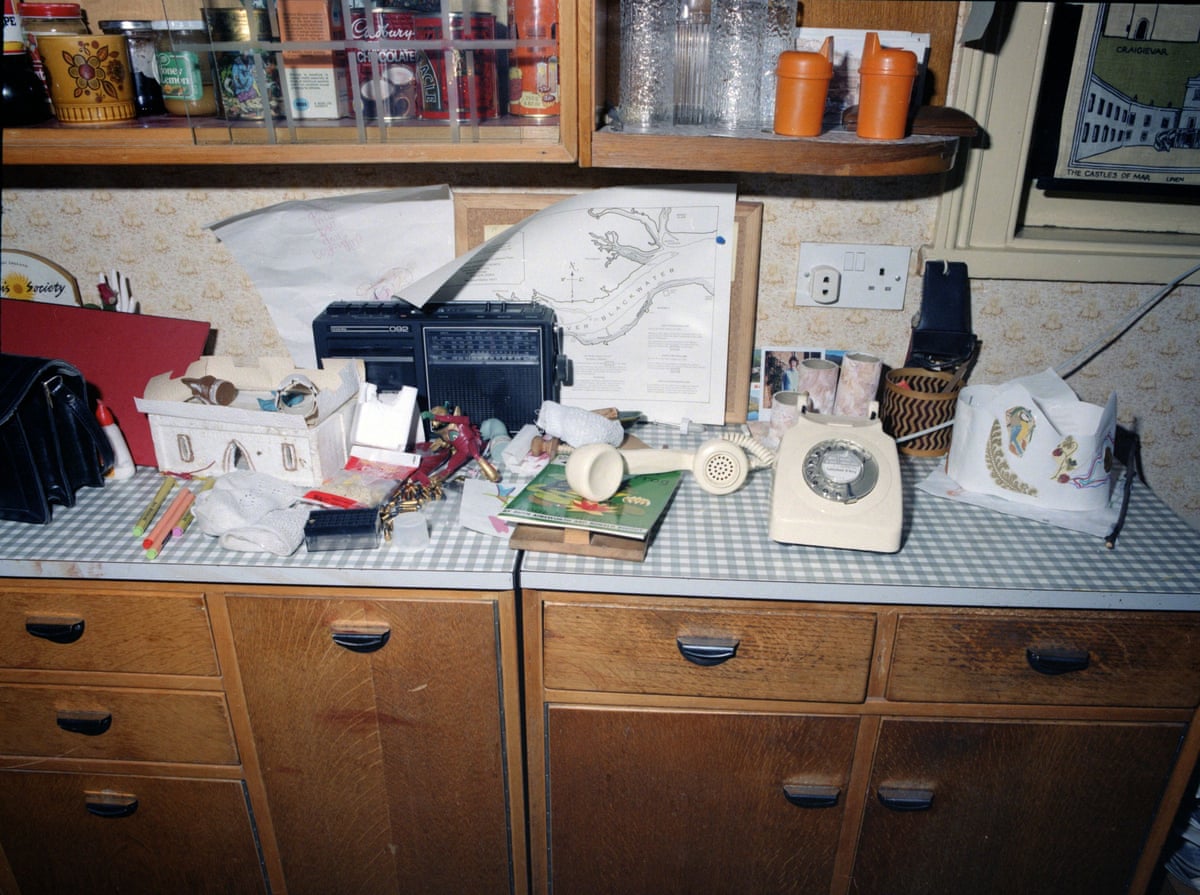
A crime scene photograph of White House Farm, with the telephone left off the hook.
It appeared to be an obscure time-keeping argument in court, of little real significance. But it seems there is evidence that the jury was misled and that the differing times in fact refer to two different calls – the first made by Nevill and the second by Jeremy Bamber. And if Nevill did call the police to report his daughter had gone “berserk” with a gun, his son should not be in prison.
The trial
Chelmsford crown court, October 1986. PC Michael James West, who took Bamber’s call at Chelmsford police station in the early hours of 7 August 1985, takes the stand to give evidence for the prosecution. He explains that he works in the control room, a radio and telephone hub for the Chelmsford division, where the unit’s calls are received and officers are allocated their tasks. PC West says he filled out an event log, called a C1, as the conversation took place with Bamber, and that the practice is to log the time at the beginning of the conversation. Surprisingly, that C1 call log is not available to the jury. West tells Anthony Arlidge, the QC for the prosecution, that he recorded the time of 3.36am using the digital clock on the wall in the control room.
Arlidge doesn’t mention the time again. It is only when Geoffrey Rivlin, counsel for the defence, cross-examines West that he is challenged about the purported inconsistencies in his record-keeping.
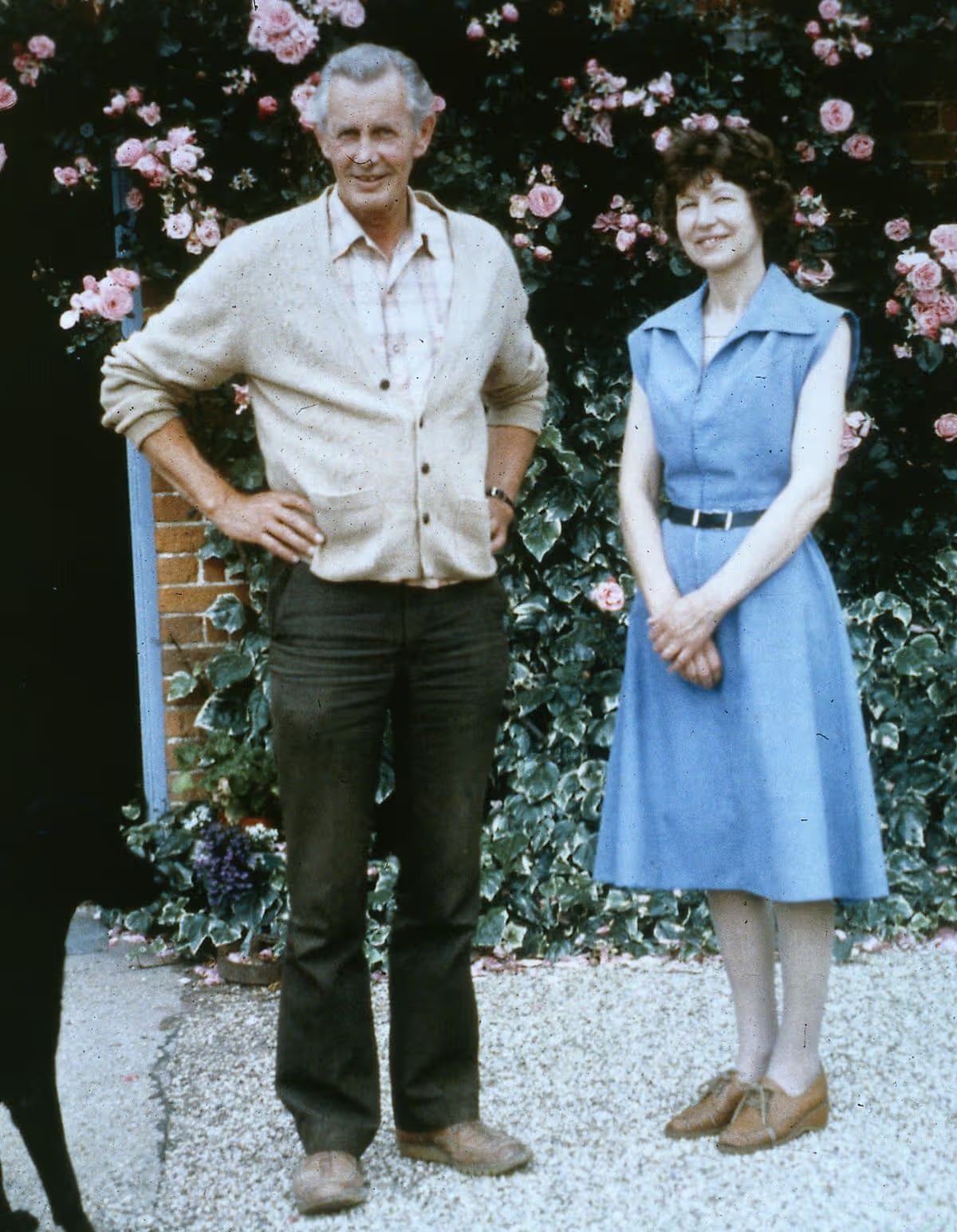
Nevill and June Bamber, who were found dead at White House Farm. Photograph: Handout
In his first statement, made two days after the murder, West said he received the call from Jeremy Bamber at 3.26am. In a more detailed statement a month later, the time had changed to 3.36am. Rivlin suggested in court that West had got the time wrong when he changed it and that the call was made, as he had said in his first statement, at 3.26am.
Rivlin: I would like to ask you about times first, if I may. The time you have recorded was 03.36.
West: That is correct.
Rivlin: Is it right that you may have misread the clock and the time may have been 03.26?
West: I was informed I actually spoke to the information room at a time prior to the one that I have recorded so I can only assume that I have wrote – I actually recorded the wrong time, as it were.
But then West, it seems, becomes defensive. He is reluctant to say he made a mistake or that the clock was inaccurate.
Rivlin: The situation is, you looked at the clock and recorded 03.36. You were told subsequently that was almost certainly wrong and you said you may have misread the clock.
West: Well, there is a dispute over the times. I don’t know whose time is right and whose time is wrong.
Rivlin: Let me ask you this question. As regards the clock in the control room at the police station, is that accurate?
West:. Yes, it is.
Rivlin: Are you sure about that?
West: It has on occasion been inaccurate, but on very few occasions.
Rivlin: Would you agree with this, that the control room wall clock rarely shows an accurate time?
West: I would have to disagree with that.
Rivlin: You disagree?
West: Yes.
Rivlin: At all events, perhaps we need take it no further than this, that you did subsequently agree you may have misread the clock?
West: It is possible, although certainly there is a variance in times, yes.
This exchange must have been baffling for the jury. West appeared unwilling to concede that he got the time wrong. Rivlin seemed to suggest the difference between 3.26am and 3.36am was highly significant, but never explained why. He was determined that 3.26am should be recognised as the correct time, but the jury was given no explanation for his insistence.
The reason Rivlin was adamant that the call was made at 3.26am is simply because he thought it looked better for the man he was defending. Bamber had said he received the call from his father at about 3.15am, then rang his girlfriend, Julie Mugford, before calling the police. What kind of man waits 20 minutes and speaks to his girlfriend before contacting the police in such an emergency? Ten minutes, Rivlin thought, would seem more acceptable to a jury.
But Bamber says that is looking at it with the benefit of hindsight: “The last thing I thought when Dad called me was that this was going to end up with my whole family killed.” There had been previous incidents with Caffell, who had a diagnosis of schizoaffective disorder and had been hospitalised after a psychotic episode five months before the murders. But none had ended in disaster.
The evening before the killings, Bamber had been at White House Farm and had taken out his father’s .22 rifle, to try to shoot rabbits. When he returned to the farmhouse, he had removed the magazine and the bullet in the breech of the rifle and left those items, and the gun itself, on a bench in the annexe of his parents’ kitchen.
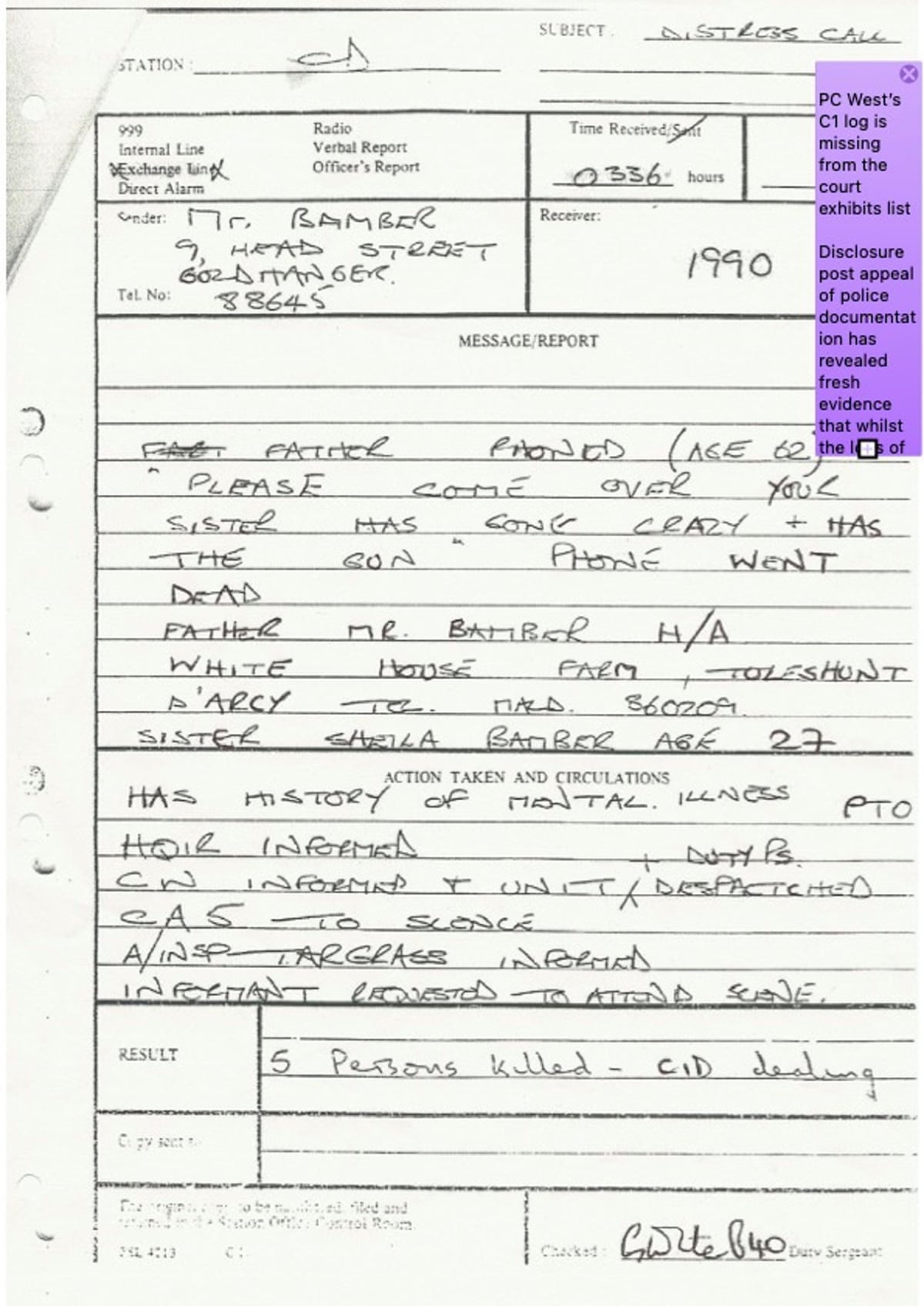
The C1 call log made by PC West, which wasn’t available to the jury in this case, noting the details of a call from Jeremy Bamber at 3.36am on the night of the massacre. The call log was eventually disclosed, 25 years later.
He didn’t fear for the worst when he got the phone call from Nevill, he tells me, because he knew the gun was unloaded. “I assumed my dad, who was 6ft 4in and a strong man, would take the gun off Sheila and that she would calm down.”
As for waiting 20 minutes before calling the police, Bamber has always claimed his father was cut off in the middle of their conversation and that he tried a number of times to call him back, but kept getting the engaged tone. He says he then called Mugford at 3.30am and asked her what she thought he should do. Mugford – who told police a month after the murders, just after Bamber ended their relationship, that he had confessed the killings to her – advised him to “go back to bed”.
He ignored her and at 3.36am, he says, he called the police. “If I’d made up the call from Dad, why on earth would I have said I took 20 minutes to call the police? I would have said I called the police immediately.” Bamber is telling me this in letters sent a few months ago, before the prison banned him from discussing his case with journalists.
But the 3.26am timing of the call appeared to be supported by a rolling log made by a civilian phone operator, Malcolm Bonnett. He was situated at Essex police HQ, a building roughly a mile away from Chelmsford police station, where West was stationed.
Bonnett’s job was to log radio messages and send help from the police and other emergency services. Emergency 999 calls came in to Bonnett, but he also took phone calls from local police stations and officers such as West.
The Bonnett log was shown to the jury at the trial – exhibit 29. It was presented to the court as his record of a call West made to him about the phone call he had received from a Mr Bamber. The jury was told that the Mr Bamber in question was Jeremy. Bonnett’s rolling log starts with an entry at 3.26am. The subject line for this call is “Daughter gone berserk”. This is the only document the jury were shown in regard to the time of the call. It was never explained why West’s C1 log of the phone call was not included in the bundle given to the jury. They had no idea why West had logged the time as 3.36am or why the confusion in court when it was suggested he had got it wrong.
Something didn’t add up. At the trial, it was unclear whether West or Bonnett actually sent out the police cars. Both appear to claim to have done so. West said he radioed the officers asking them to attend the scene, but Bonnett also said that after receiving the call from West about the incident he sent the first police car, CA7, to White House Farm at 03.35am, followed by another car, CA5, at 03.36am. These timings only made sense if West had taken the call from Bamber at 3.26am.
After West and Bonnett’s evidence, the time of Bamber’s call played no part in the trial until the summing up, in which Drake stated that the clocks in the information room were later checked and found to be correct. He advised the jury to accept the true time of Bamber’s call as 3.26am. “You would, in effect, be giving the defence case the benefit of a doubt, and I will suggest that you may – although it is always a matter for you – work on the timing of 03.26 as the time when the phone call was made to Chelmsford police station, and accept that Police Constable West quite simply made a mistake when reading the clock, or writing down 03.36.”
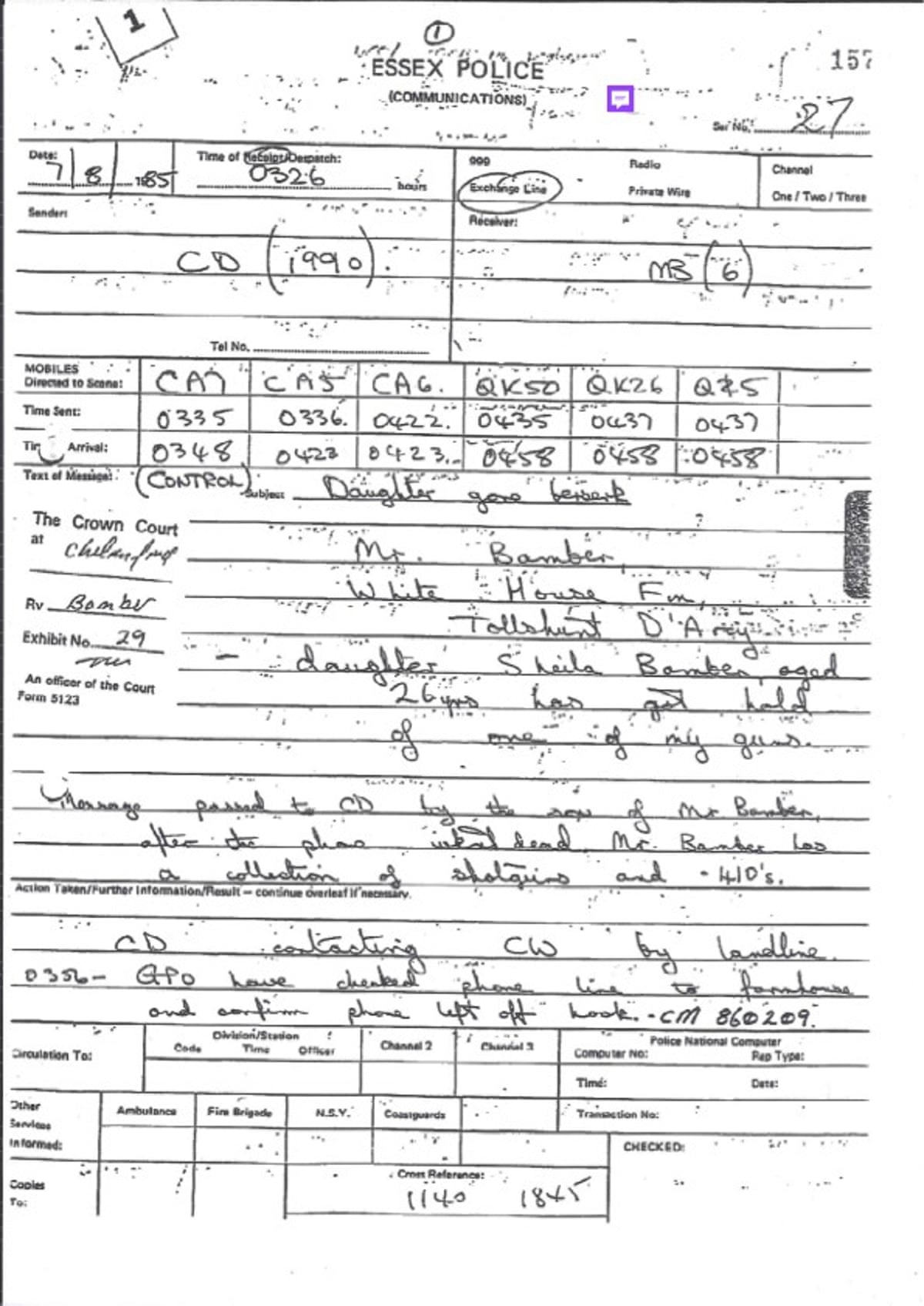
The Malcolm Bonnett log shown to the jury at the trial – exhibit 29. This rolling log starts with an entry at 3.26am, with the subject line ‘Daughter gone berserk’.
In fact, though, insisting that the call was made at 3.26am gave Bamber anything but the benefit of the doubt. Instead, it put him in the time frame for the murder, because the chronology now made sense: Bamber called West at 3.26am, and West called local officers, who set off for White House Farm at 3.35am.
After a month-long trial, the jury came back with a 10-2 majority on 28 October 1986. Bamber was convicted of one of the most notorious crimes in British history and sentenced to life with a recommended minimum of 25 years. This was later extended to a whole-life tariff by the then home secretary Douglas Hurd in 1988, although Bamber was not made aware of this until 1994.
Originally published by The Guardian on 30 October 2026