‘Trew’s Law’ urges automatic review of jailed cop’s files to prevent miscarriages of justice
Samantha Dulieu · 11 September 2026
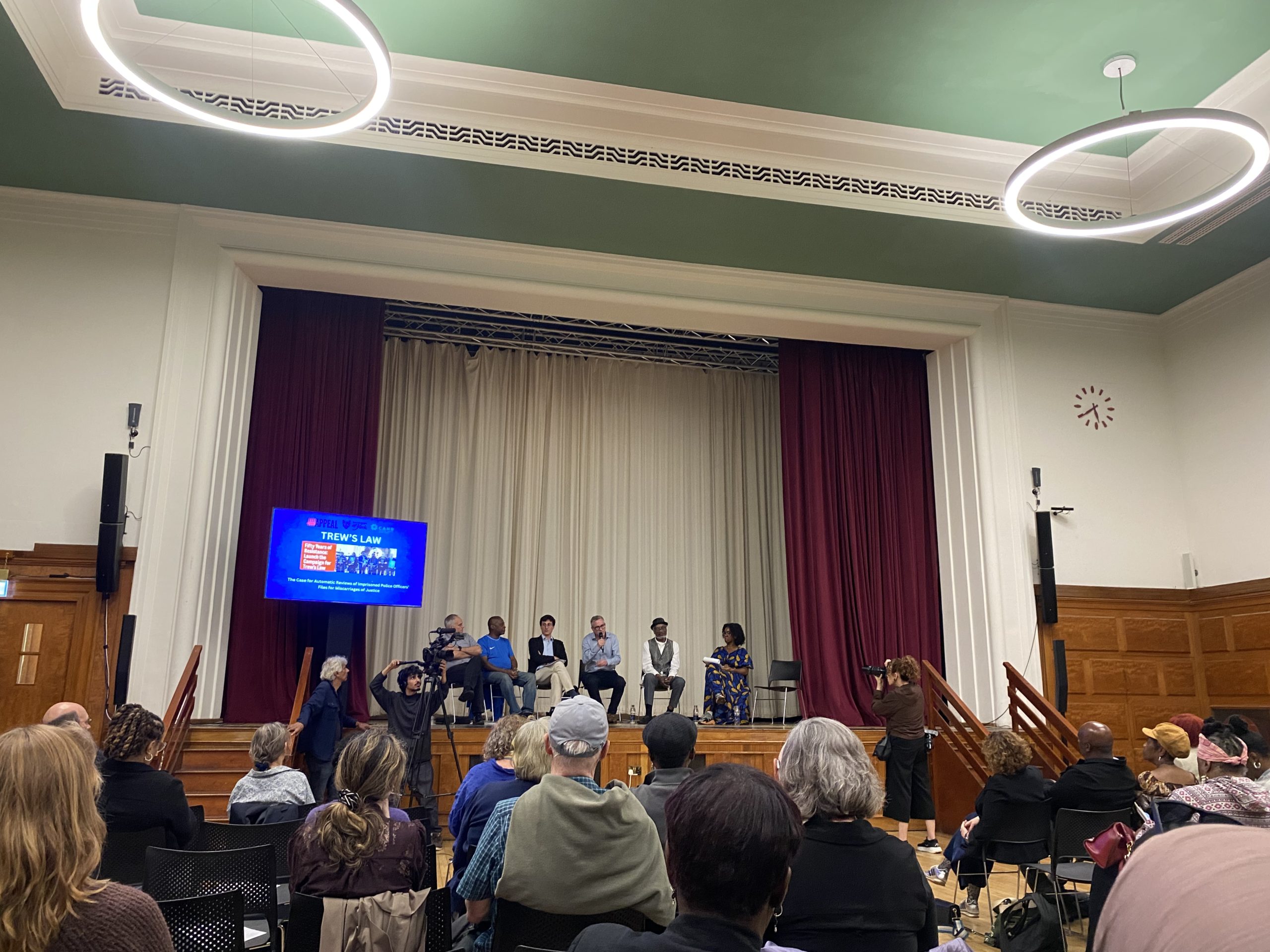
Lawmakers are being urged to enact a new piece of legislation that would see police officers who are sent to prison for corruption and other offences immediately having their past cases reviewed to prevent miscarriages of justice.
Trew’s Law would enact a statutory duty to immediately review the case files of the approximately 21 police officers per year who are convicted and sent to prison. Currently a serving police officer can be jailed for offences including corruption, dishonesty, and abuse of their position, but there is no duty to systematically reviews cases they investigated to ensure innocent people weren’t fitted up or implicated by their wrongdoing.
Between 2018 and 2025, 13 people had their convictions quashed after spending a combined 623 years wrongfully convicted as a result of one corrupt police officer. Derek Ridgewell was behind several notorious miscarriages of justice including the Oval Four and Stockwell Six. He routinely fitted up young black men to cover up his own thefts while working for the British Transport Police. He was protected by his force, and even after he was convicted and imprisoned in 1980 there was no effort to review or re-consider the convictions of those he had ensured were wrongfully convicted. The campaign is named after
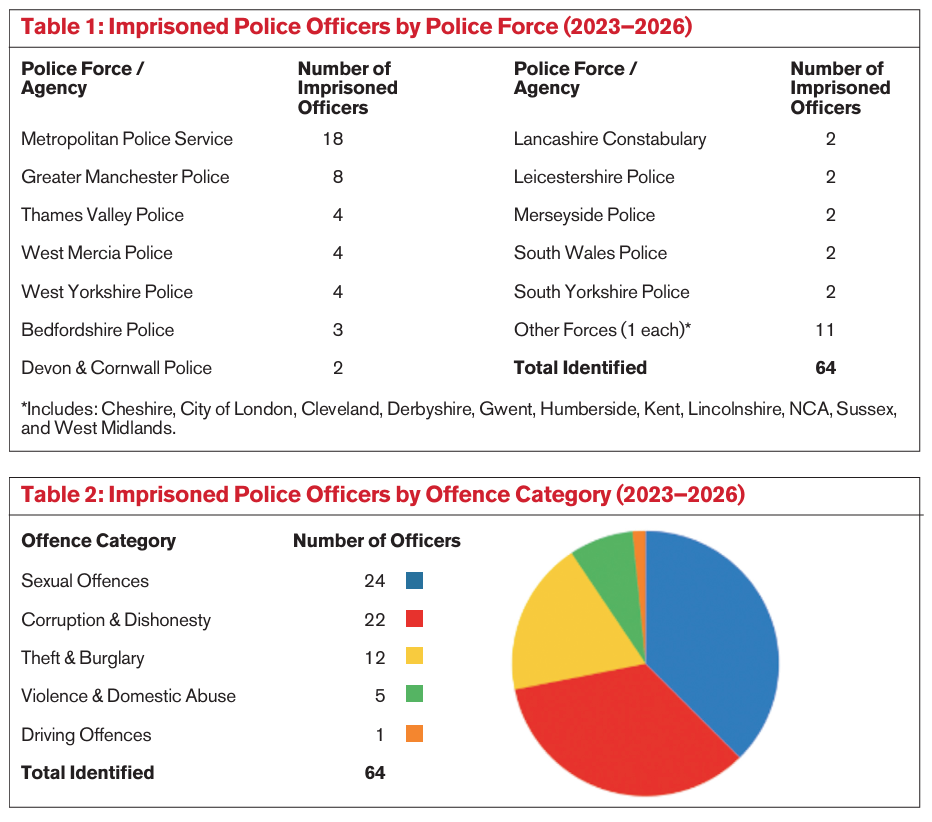
Via Appeal, Trew’s Law, The Case for Automatic Reviews of Imprisoned Police Officers’ Files
Winston Trew, a victim of Ridgewell, who spent 50 years trying to clear his name. There are still people coming forward to appeal their convictions as a result of Ridgewell’s misconduct – the fifteenth man to have his conviction overturned was Errol Campbell whose case was quashed in the Court of Appeal in July 2025, though this came over 20 years after his death.
The charity, Appeal, launched the campaign last week at an event in Lambeth Town Hall. The location was symbolic, it being the place where 50 years ago members of the community held a meeting under the banner ‘A Cause for Concern’ about the so-called ‘Oval Four‘ who had been fitted up by Ridgewell, including Winston Trew, where they protested against racial profiling and harassment from the police.
New research that underlines the proposed legislation has found between 2023 and 2026, at least 64 current or former police officers have received immediate prison sentences for crimes ranging from sexual assault to corruption and dishonesty. Shockingly, researchers from the University of York also found there is a stark lack of data about these convictions – there is no central record of current or former officers who are convicted of criminal offences, with even local forces not knowing how many of their officers have been convicted or imprisoned, or recording how often misconduct cases lead to custodial sentences. The Metropolitan Police accounted for 18 of the 64 officers sent to prison in the last three years though this was collated through media reports and court documents as the force had no centralised data. The research found ‘even England and Wales’ largest police force cannot readily determine how many of its own officers have been sent to prison’.
Matteo Pinto, a Senior Lecturer at York Law School said he had been shocked by little the law has actually changed. ‘Ridgewell could happen again because there are no safeguards. The Met Police has been found to be institutionally racist, sexist and homophobic, and Ridgewell used these same prejudices and his position of power to frame innocent people. If he was imprisoned today, what would happen to his cases? Probably nothing.’ He said the new law’s recommendations are not radical ‘they are the bare minimum’. ‘The burden shouldn’t rest with miscarriage of justice victims, but with the state’.
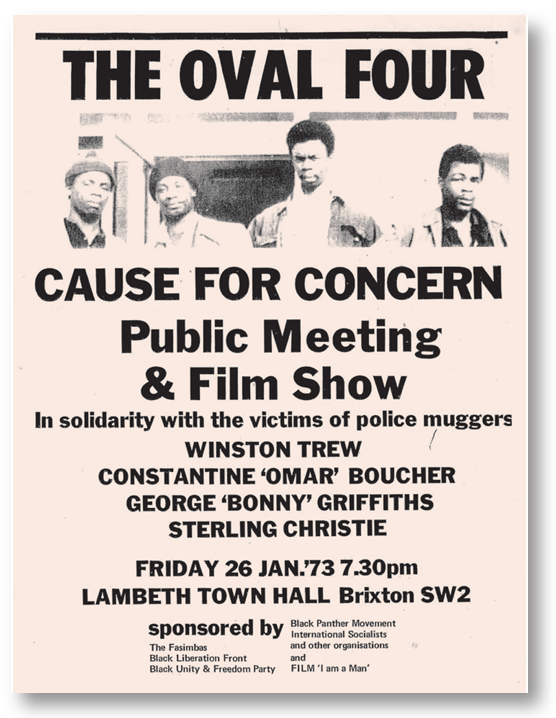
Via Appeal
Co-Chair of Appeal, Matt Foot, told the audience in Brixton about how when the judge sentenced the members of the Oval Four for theft and assaulting police officers, he told the court there was a problem with ‘young black muggers’. This caused a ‘moral panic’, when the real perpetrator was a dodgy police officer and his ‘squad’ of co-conspirators. He said that because of the nature of the cover-up by British Transport Police, he believes more cases related to Ridgewell’s offending are yet to come to light. In 2024 BTP released a report into the actions of Ridgewell, which was criticised at the time for running to only nine pages and being ‘flawed’ in its inability to grapple with the impacts of records that had been lost or destroyed. Even after this report more wrongful convictions were revealed only by the campaigning of the victims and their families who then had to apply to the Criminal Cases Review Commission to finally have their convictions overturned.
Winston Trew himself spoke to the audience about his experience of being picked up off the street and jailed for something he didn’t do, and his subsequent five-decade fight for justice. He said ‘from 1973 to 2019 I worked tirelessly to expose Ridgewell as a liar, a thug and a thief. I found that evidence and the conviction was quashed, but I shouldn’t have had to do that’. Describing this new campaign he said Trew’s Law ‘ensures corruption in the past cannot silently contaminate the present. Ridgewell’s biggest mistake was to meet me’.
Originally published by The Justice Gap on 11 September 2026