Derek Bromley granted parole after 40 years
Andrew L. Urban · 2 July 2026
Andrew L. Urban
** ****Granting Derek Bromley’s bail application on March 27, 2024, 40 years after his 1984 murder conviction, parole board chair Frances Nelson KC commented: “He continues to maintain his innocence. He’s entitled to do that, it’s not for us to retry the issue.” Nor was it for South Australia’s appeal court to do to retry the issue, but they did in June 2018 – flouting the law, according to legal academics. **
Not only was the appeal court in error in 2018, but when Bronley sought leave to appeal his conviction at the High Court in December 2023, he was refused in a 3:2 decision, in what the court described as “an extraordinary judgement” – indeed, and it raised eyebrows. Bromley might well consider his wrongful conviction (we say) and his subsequent failed appeals a Guinness Book of Records example of the twisted quip: as one door shuts another slams in your face. (For full details about the case, please refer to the Derek Bromley section in our menu on the right.)
As the High Court judges said, it’s very unusual for the court to give written reasons for a leave to appeal application, “extensive written reasons, over 120 pages,” noted Flinders University legal academic Dr Bob Moles. “It’s also very unusual to have a split decision on such a key issue with three of the five judges deciding that the grounds are not made out,” Justices Stanley, Nicholson and Peek decided.
the Manock factor
“But Justices Edelman and Steward – some very well-known and highly respected judges of the High Court – were both very clear. They said that leave should have been granted; that the appeal should have been allowed; that it was in fact a substantial miscarriage of justice – and they further said that the verdict of an acquittal should have been entered! And so, it’s three in favour of the status quo, as it were – and two of them making it very clear that this was, in fact, a wrongful conviction and Bromley should have been acquitted.
“Given the views of the dissenting judges, along with the other important evidence not yet presented as part of the appeal process, there is still hope of a successful outcome in due course,” added Moles. Appeal attempts continue, to clear his name.
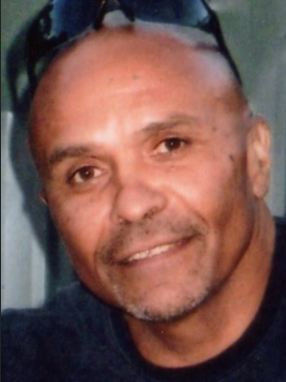
Derek Bromley (2009)
Bromley has always maintained his innocence; his conviction depended to a considerable extent upon the evidence of Gary Carter, a schizophrenic who was having an episode at the relevant time. There was also the ‘Manock factor’ – the problem of the discredited state pathologist, Dr Colin Manock’s evidence. Bromley’s team argued that opinions presented to the jury by Manock as to the cause and manner of death were not based on any proper science and were totally wrong.
“[Bromley’s] institutional behaviour has been very good, we are convinced that he will not present a risk to the community if he is released on parole,” Nelson said. She said it was “uncommon” for someone to spend 40 years in prison before being granted parole. “It’s fair to say that it’s uncommon because most people do apply and are dealt with shortly after their non-parole period,” she said.
Bromley is expected to go to a pre-release centre in Adelaide to initially begin his parole.
Bromley is the second accused and (we say) wrongfully convicted of murder to be released on parole after a lengthy period in prison. In October 2022, Sue Neill-Fraser, convicted of the 2009 murder of her partner Bob Chappell, was granted parole after serving 14 years of her sentence in Hobart’s Risdon prison.